Editor’s Note: This is the final post in the series Fruit of the Spirit. Each previous post in the series highlighted one of the qualities that makes up the Fruit.
Galatians 5:22-23 ESV But the fruit of the Spirit is love, joy, peace, patience, kindness, goodness, faithfulness, gentleness, self-control; against such things there is no law.
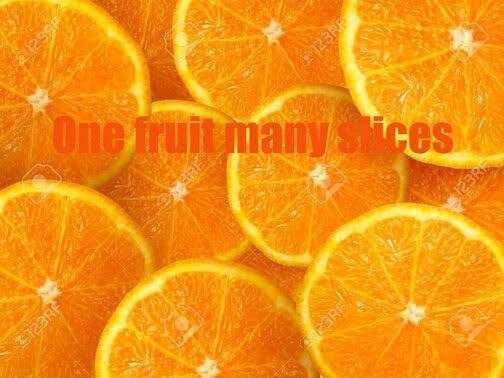
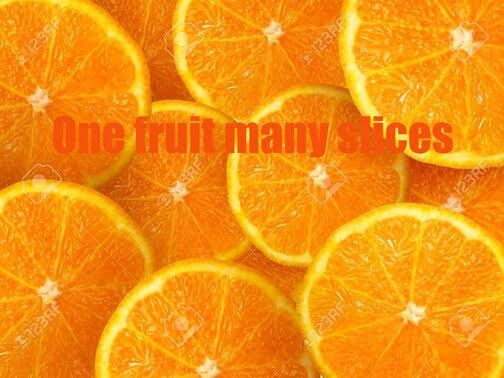
The word fruit, in our scripture, is singular. It is one Fruit. Love, joy, peace, patience, kindness, goodness, faithfulness, gentleness, and self-control are the qualities that make up the Fruit. There are not nine different fruits—it is a nine-part Fruit. The Fruit is like an orange, and inside the orange, there are numerous slices. So, imagine that each slice of the orange is one of the aspects of the Fruit of the Spirit.
The “fruit” of the Spirit is the expression of our renewed nature as it is seen by others. But what does the life of the person who exhibits fully matured fruit look like?
Life By The Spirit
The person who lives to exhibit the Fruit of the Holy Spirit is not impatient, hateful, or rude. That’s the stuff of our flesh. The Fruit will be the byproduct of a life surrendered to the Spirit of God. However we are not called to focus on the Fruit; we are called to focus on God’s Spirit.
Too often, we don’t see the Fruit of the Spirit maturing in ourselves and actually say things like, “I’m just an impatient person,” or, “I just can’t get along with certain people.” When we have that mindset, we’re just choosing to walk in the flesh. Our actions of the flesh are the opposite of the Fruit of the Spirit.
Seeking God and asking Him to help us grow in exhibiting His Fruit will challenge us because we are choosing to deny our flesh and feed our spirit instead. God will put us in situations that allow the Holy Spirit to develop His Fruit within us.
Our flesh wants to get even, but the Spirit calls us to love and extend kindness.
Our flesh wants to entertain sinful thoughts, but the Spirit calls us to walk in self-control.
Our flesh wants to dictate with moodiness, but the Spirit calls us to walk in joy and peace.
Romans 13:14 NLT Instead, clothe yourself with the presence of the Lord Jesus Christ. And don’t let yourself think about ways to indulge your evil desires.
This scripture tells us to clothe ourselves with Jesus and to not even think about how to gratify the desires of the flesh. Every day we put on Jesus, obey the Spirit’s leading and basically ignore our flesh. It’s all about where we look and what we look to for satisfaction. What if, going forward, we truly lived this out?
As we give the Spirit more control of our lives, He begins to do in and through us what only He can do—to shape us and grow us to look like Jesus.
We are literally being transformed and when we do, we can see our own growth as we go through life following Jesus.
Romans 8:29 NLT For God knew his people in advance, and he chose them to become like his Son, so that his Son would be the firstborn among many brothers and sisters.
Instead of avoiding change, our prayer should be, “God, do in me whatever you need to do so that I will exhibit your Fruit.” We must quit running from growth and thinking we can’t change. We can change because we have the power of the Holy Spirit propelling us toward it. The Fruit of the Spirit becomes part of us when we walk in obedience to the Spirit.
Galatians 5:22-23 ESV But the fruit of the Spirit is love, joy, peace, patience, kindness, goodness, faithfulness, gentleness, self-control; against such things there is no law.
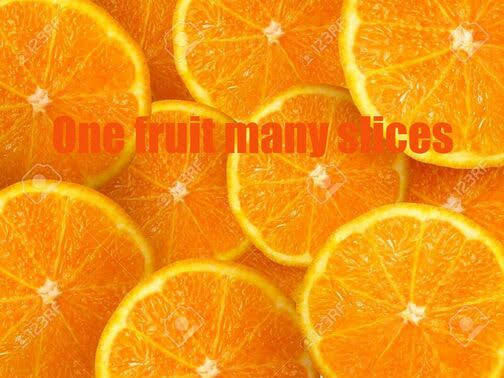
The word fruit, in our scripture, is singular. It is one Fruit. Love, joy, peace, patience, kindness, goodness, faithfulness, gentleness, and self-control are the qualities that make up the Fruit. There are not nine different fruits—it is a nine-part Fruit. The Fruit is like an orange, and inside the orange, there are numerous slices. So, imagine that each slice of the orange is one of the aspects of the Fruit of the Spirit.
The “fruit” of the Spirit is the expression of our renewed nature as it is seen by others. But what does the life of the person who exhibits fully matured fruit look like?
Life By The Spirit
The person who lives to exhibit the Fruit of the Holy Spirit is not impatient, hateful, or rude. That’s the stuff of our flesh. The Fruit will be the byproduct of a life surrendered to the Spirit of God. However we are not called to focus on the Fruit; we are called to focus on God’s Spirit.
Too often, we don’t see the Fruit of the Spirit maturing in ourselves and actually say things like, “I’m just an impatient person,” or, “I just can’t get along with certain people.” When we have that mindset, we’re just choosing to walk in the flesh. Our actions of the flesh are the opposite of the Fruit of the Spirit.
Seeking God and asking Him to help us grow in exhibiting His Fruit will challenge us because we are choosing to deny our flesh and feed our spirit instead. God will put us in situations that allow the Holy Spirit to develop His Fruit within us.
Our flesh wants to get even, but the Spirit calls us to love and extend kindness.
Our flesh wants to entertain sinful thoughts, but the Spirit calls us to walk in self-control.
Our flesh wants to dictate with moodiness, but the Spirit calls us to walk in joy and peace.
Romans 13:14 NLT Instead, clothe yourself with the presence of the Lord Jesus Christ. And don’t let yourself think about ways to indulge your evil desires.
This scripture tells us to clothe ourselves with Jesus and to not even think about how to gratify the desires of the flesh. Every day we put on Jesus, obey the Spirit’s leading and basically ignore our flesh. It’s all about where we look and what we look to for satisfaction. What if, going forward, we truly lived this out?
As we give the Spirit more control of our lives, He begins to do in and through us what only He can do—to shape us and grow us to look like Jesus.
We are literally being transformed and when we do, we can see our own growth as we go through life following Jesus.
Romans 8:29 NLT For God knew his people in advance, and he chose them to become like his Son, so that his Son would be the firstborn among many brothers and sisters.
Instead of avoiding change, our prayer should be, “God, do in me whatever you need to do so that I will exhibit your Fruit.” We must quit running from growth and thinking we can’t change. We can change because we have the power of the Holy Spirit propelling us toward it. The Fruit of the Spirit becomes part of us when we walk in obedience to the Spirit.





 RSS Feed